

The US-Israeli war against Iran, once predicted by its co-initiator Donald Trump to only last a few days (seeing as America had already won), has now gradually lengthened from “another two-three weeks” to a nearly 6-month conflict, blowing past expirations of both the initial ceasefire in April and now the Islamabad Memorandum signed in June. Plans to permanently end the war have been replaced by claims that nobody is speaking with anybody anymore. Vessels in the Strait of Hormuz continue to be struck despite assertions by Trump of not only total American control, but that it will soon become the sovereign territory of the United States.
While the US military has now become the primary actor in this partnered war, Israel having last been struck by Iranian munitions on June 7 and the Israeli Air Force having launched its last attack on Iran on June 8, the Jewish state remains locked in a protracted struggle it also did not anticipate, Iran’s military remaining combat effective despite a plethora of assassinations, thousands of airstrikes, and an ongoing naval blockade. “Every day that passes while this situation continues comes at the cost of our preparedness,” a senior Israeli military official told the news site Calcalist in late July, “we don’t have an abundance of munitions or interceptor missiles for our air-defense systems. We’re missing opportunities.”
While the lack of ability to wrestle out of this self-imposed situation has damaged the country’s operating capabilities, there is little evidence that it has changed Israel’s larger strategic calculus. It remains dead-set on going back into open conflict with Iran, promising a larger campaign against the Islamic Republic than ever before. Despite the multitude of active fronts it is fighting on, Israel still, predictably, has its eyes set on expanding the flames of war further.
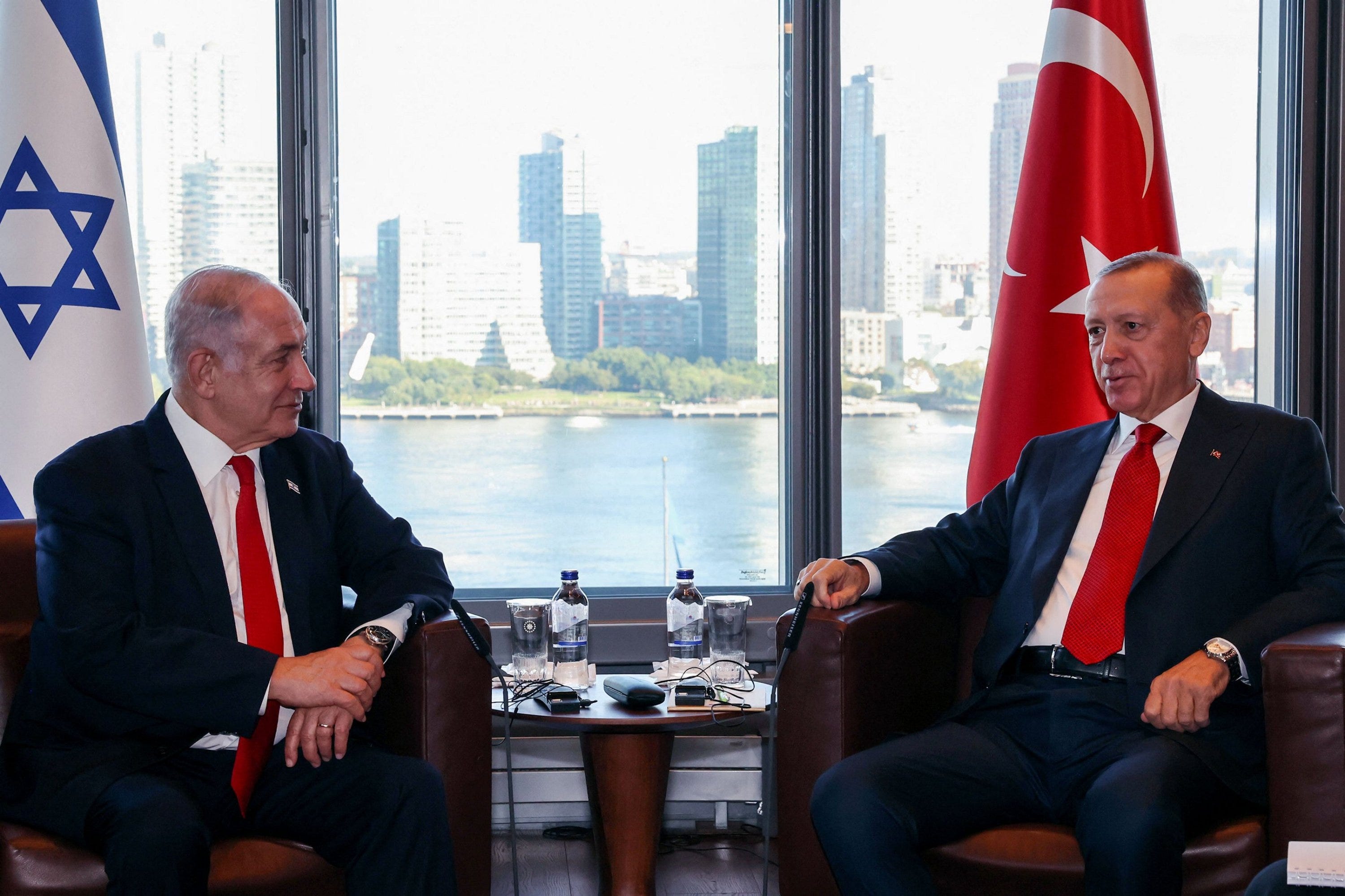
On August 18, the Israeli Air Force struck the Abu ad-Duhur Air Base in southeastern Idlib province. While Israeli officials and the media had talked up a storm about the threat of Syria’s military rebuilding itself under its post-Assad leadership, Netanyahu’s office was clear about who was in fact being targeted in this strike: “Syria was on the verge of breaching [the status quo] by permitting Turkish troops to deploy at an airbase near Aleppo,” the post from the Prime Minister’s Office on social media reads, “Israel repeatedly warned Syria that such a deployment would pose a threat to Israel’s security. Syria chose to ignore these warnings. Israel will not tolerate threats to its security, and would welcome a return to the status quo.”
That status quo had been the near-total subjugation of Syria’s ability to defend itself, either on land, by sea, or by air. 80% of Syria’s military capabilities had been destroyed during Operation Arrow of Bashan in December 2024, with the aim of preventing heavy weapons, or indeed any munition that could feasibly make their way across the border to Israel, from entering into the hands of the rapidly advancing opposition fighters. Many of the Islamist commanders that would soon enter Damascus, including the leader of Hayat Tahrir ash-Sham, Abu Muhammad al-Jolani, had spoken of the need to liberate Jerusalem in the register of one’s religious obligation.
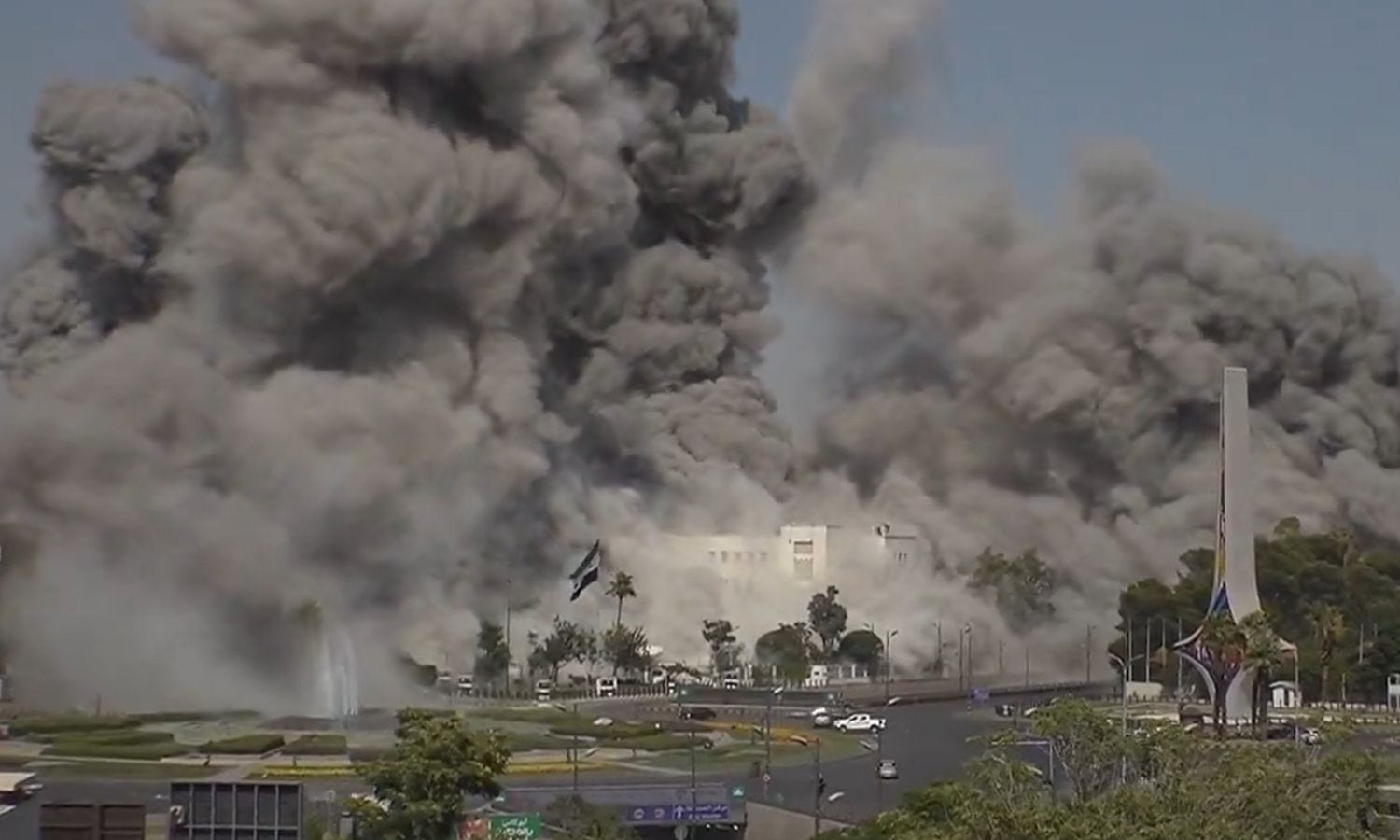
When rubber hit the road however, Jolani, now going by President Ahmed al-Shara’a, did everything in his power to show Israel that the new Syria was no threat to the Jewish state. This was met with invasion, further strikes on government institutions and military bases, with the explicit demand being made of a “demilitarized” zone all the way to the capital so as to protect the Druze. Direct threats were made against the Syrian president’s life with airstrikes near his official residence, warning of the consequences if he did not comply with Israel’s terms.
Turkey, having set up their own proxy “Syrian National Army” with which to invade the country multiple times in the 2010s, has shown obvious and expected interest in the trajectory of the new Syrian administration. The old Salvation Government, led by HTS, was not Turkey’s first choice to lead the country (their own puppet state, the Syrian Interim Government, dissolved itself when Shara’a marched into Damascus) but it enjoyed extensive ties with the government of Recep Tayyip Erdogan, to the point where the Turkish lira circulated as currency within opposition-held Idlib instead of the Syrian lira.
Turkey has made extensive investments in the new Syria, building new power plants, rebuilding transport networks, redeveloping airports, and helping explore for oil and natural gas, with the express aim of “normaliz[ing] life” inside the country, which will help facilitate the return of more than 3 million Syrian refugees (over 600,000 have since returned from Turkey since Assad was deposed). Wanting to fill the security vacuum left by the Ba’athist government’s dissolution, the Turkish military has begun deploying well outside northern Syria, the areas they occupied during the height of the civil war.
